Morocco is one of the most fascinating countries in North Africa, where ancient traditions blend seamlessly with modern life. From colorful markets and breathtaking deserts to centuries-old cities and delicious cuisine, the country offers endless opportunities for discovery. Whether you’re planning a trip or simply curious about this remarkable nation, learning interesting facts about Morocco can deepen your appreciation for its unique heritage.
Located at the crossroads of Africa and Europe, Morocco has been shaped by Berber, Arab, African, and European influences over thousands of years. This rich cultural mix is reflected in its architecture, language, festivals, food, and daily life. Beyond its famous landmarks, Morocco is filled with surprising stories, natural wonders, and traditions that make it unlike anywhere else in the world.
In this guide, you’ll explore Morocco’s history, geography, culture, famous attractions, cuisine, and exactly 20 interesting facts that reveal why this beautiful country continues to captivate travelers and historians alike.
Quick Facts About Morocco

| Feature | Details |
| Official Name | Kingdom of Morocco |
| Capital | Rabat |
| Largest City | Casablanca |
| Continent | Africa |
| Population | Approximately 38 million |
| Official Languages | Arabic and Amazigh (Berber) |
| Widely Spoken Language | French |
| Currency | Moroccan Dirham (MAD) |
| Government | Constitutional Monarchy |
| Highest Mountain | Mount Toubkal |
| Famous Desert | Sahara Desert |
| Coastline | Atlantic Ocean and Mediterranean Sea |
| National Religion | Islam |
| Time Zone | Western European Time (WET) |
Where Is Morocco? Geography and Overview
Morocco is located in the northwestern corner of Africa, making it one of the few countries with coastlines on both the Atlantic Ocean and the Mediterranean Sea. It is separated from Spain by the narrow Strait of Gibraltar, which is only about 14 kilometers (9 miles) wide at its narrowest point.
The country’s landscape is incredibly diverse. Snow-capped mountains, fertile valleys, coastal beaches, forests, and the vast Sahara Desert all exist within its borders. This geographical diversity contributes to Morocco’s rich biodiversity, varied climate, and agricultural success.
Because of its strategic location between Europe and Africa, Morocco has long served as an important center for trade, culture, and diplomacy.
A Brief History of Morocco
Morocco’s history stretches back thousands of years. Indigenous Amazigh (Berber) communities were the first known inhabitants and continue to play an important role in Moroccan identity today.
Throughout history, the Phoenicians, Romans, Arabs, and various Islamic dynasties influenced the region. Islam arrived during the 7th century and became a defining aspect of Moroccan society.
Several powerful dynasties, including the Almoravids, Almohads, Marinids, and Saadians, expanded Morocco’s influence across North Africa and parts of Europe.
In the early 20th century, Morocco became a French and Spanish protectorate before gaining independence in 1956. Today, it remains one of Africa’s most politically stable countries while preserving its remarkable historical heritage.
20 Interesting Facts About Morocco
1. Morocco Has Two Coastlines
Morocco borders both the Atlantic Ocean and the Mediterranean Sea, giving it more than 3,500 kilometers of coastline. This unique location supports thriving fishing industries, scenic beaches, and major international ports.
2. The Sahara Desert Covers Part of Morocco
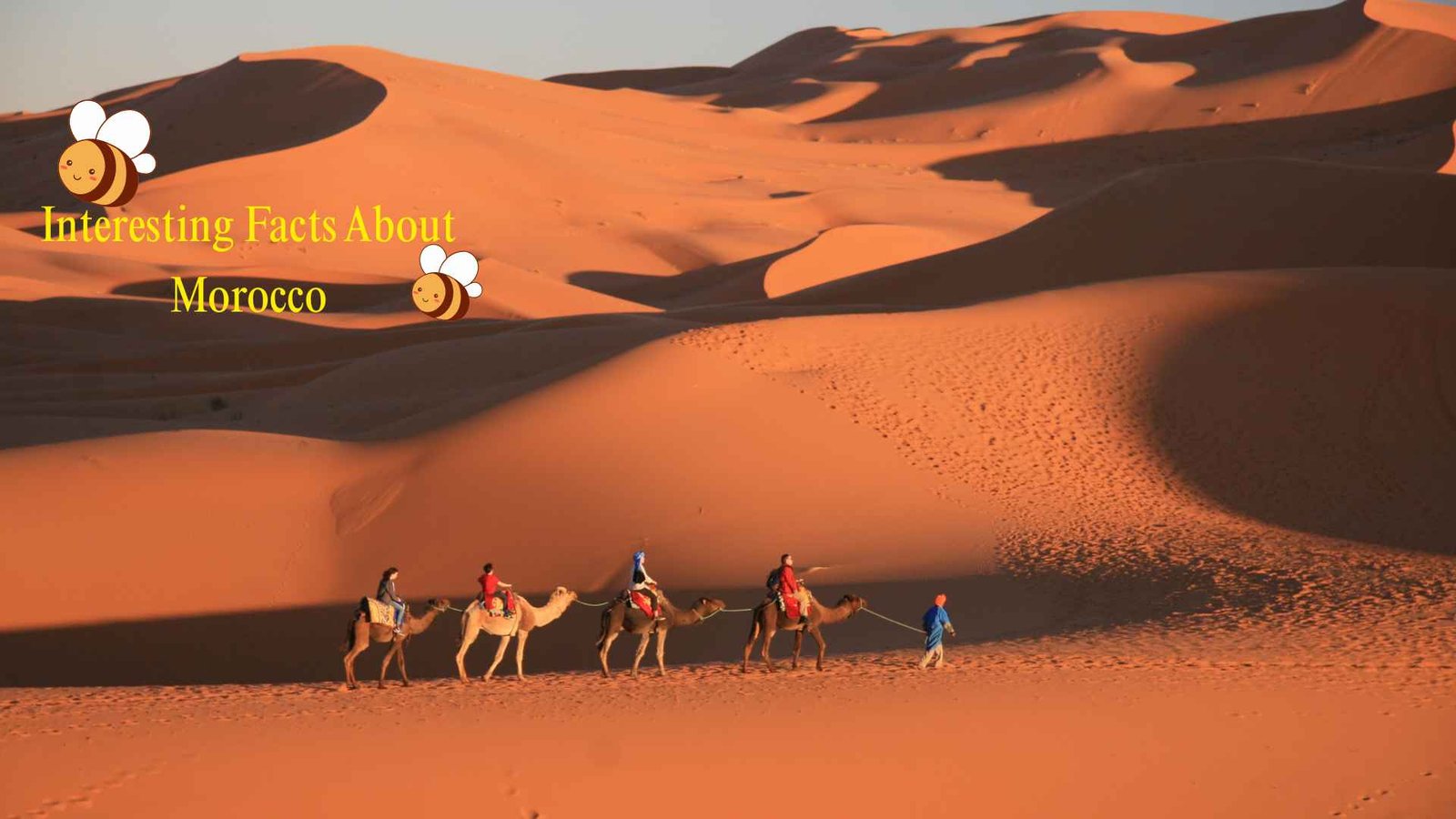
Many travelers visit Morocco to experience the Sahara Desert. Towering sand dunes near Merzouga provide unforgettable camel rides, desert camping, and spectacular sunsets that attract visitors from around the world.
3. Casablanca Is Not the Capital
Although Casablanca is Morocco’s largest city and economic center, Rabat serves as the nation’s capital. Rabat is home to government institutions, royal residences, and many historic landmarks.
4. Morocco Is Home to Africa’s Highest Ski Resort
Many people associate Morocco with deserts, but the country also offers skiing during winter. Oukaïmeden Ski Resort, located in the Atlas Mountains, surprises visitors with snowy slopes and mountain scenery.
5. The Blue City of Chefchaouen Is World Famous
Chefchaouen is renowned for its blue-painted buildings and peaceful streets. While several theories explain the blue color, many believe it symbolizes the sky and spirituality.
6. Morocco Has One of the World’s Oldest Universities
The University of Al Quaraouiyine in Fez was founded in 859 AD and is widely recognized as one of the oldest continuously operating universities in the world.
7. Mint Tea Is a Symbol of Hospitality
Serving mint tea is one of Morocco’s most cherished traditions. Offering tea to guests reflects generosity, friendship, and respect, making it an essential part of Moroccan culture.
8. Morocco Has Four Imperial Cities
Fez, Marrakech, Meknes, and Rabat are known as Morocco’s imperial cities because each served as the capital during different periods of history. These cities preserve magnificent palaces, mosques, and ancient walls.
9. The Atlas Mountains Divide the Country
Stretching across Morocco, Algeria, and Tunisia, the Atlas Mountains influence weather patterns, agriculture, and local cultures while offering excellent hiking opportunities.
10. Morocco Is a Global Leader in Argan Oil
Argan trees grow almost exclusively in southwestern Morocco. Their nuts produce argan oil, which is prized worldwide for cooking, skincare, and hair care products.
11. Traditional Markets Are Called Souks
Moroccan souks are lively marketplaces filled with handmade rugs, pottery, spices, leather goods, jewelry, and textiles. Shopping in a souk is both a cultural experience and an opportunity to practice bargaining.
12. Morocco Inspired Many Famous Movies
Its ancient cities and dramatic landscapes have appeared in numerous international films and television series because they can represent a variety of historical settings.
13. Morocco Is Rich in UNESCO World Heritage Sites
Historic medinas, archaeological sites, and cultural landscapes have earned UNESCO recognition, helping preserve Morocco’s architectural and cultural treasures.
14. Camels Were Once Vital for Trade
For centuries, camel caravans transported gold, salt, spices, and other goods across the Sahara Desert, connecting sub-Saharan Africa with North African trading centers.
15. The Country Has Incredible Biodiversity
Morocco’s varied climate supports cedar forests, wetlands, mountains, deserts, and coastal ecosystems that are home to numerous rare plant and animal species.
16. Handcrafted Goods Remain an Important Tradition
Moroccan artisans continue producing handmade carpets, leather products, ceramics, lanterns, and intricate wood carvings using techniques passed down through generations.
17. Couscous Is More Than a Meal
Couscous is traditionally served on Fridays and during family celebrations. It represents togetherness and hospitality rather than simply being a popular dish.
18. Morocco Celebrates Amazigh Heritage
The Amazigh people maintain their own language, music, crafts, and festivals, making their culture an essential part of Morocco’s national identity.
19. Morocco Has One of Africa’s Largest Solar Projects
The Noor Solar Complex demonstrates Morocco’s commitment to renewable energy and reducing dependence on fossil fuels through large-scale solar power generation.
20. Hospitality Is Deeply Rooted in Daily Life
Visitors often describe Moroccan hospitality as one of the country’s greatest strengths. Guests are commonly welcomed with tea, homemade food, and genuine warmth, reflecting values that have been preserved for centuries.
Moroccan Culture and Traditions
Moroccan culture is a vibrant blend of Amazigh, Arab, African, and European influences. Family remains at the center of society, with multiple generations often maintaining close relationships.
Hospitality is considered a sacred tradition. Visitors are warmly welcomed into homes and offered tea or meals as a sign of respect. Religious celebrations, weddings, and community festivals play an important role in strengthening social bonds.
Traditional clothing such as the djellaba and kaftan continues to be worn during festivals and special occasions, while music, storytelling, and craftsmanship remain integral parts of everyday life.
Famous Moroccan Food and Traditional Cuisine
Moroccan cuisine is known for its rich flavors, aromatic spices, and slow-cooked dishes.
Popular foods include:
- Couscous
- Tagine
- Pastilla
- Harira soup
- Zaalouk
- Moroccan bread
- Mint tea
- Chebakia pastries
Spices such as saffron, cumin, cinnamon, ginger, paprika, and turmeric give Moroccan dishes their distinctive taste. Regional variations also ensure that every part of the country offers unique culinary experiences.
Famous Places to Visit in Morocco
Morocco is filled with unforgettable destinations for every type of traveler.
Marrakech
Known for its bustling medina, colorful souks, and beautiful palaces.
Fez
Home to one of the world’s oldest medieval cities and famous traditional tanneries.
Chefchaouen
A picturesque mountain town recognized for its stunning blue-painted streets.
Sahara Desert
Offers camel trekking, luxury desert camps, and unforgettable night skies.
Casablanca
A modern economic hub featuring impressive architecture and vibrant coastal life.
Rabat
The political capital with historic monuments, museums, and peaceful gardens.
Atlas Mountains
Perfect for hiking, mountain villages, and breathtaking natural scenery.
Morocco’s Economy and Global Importance
Morocco has one of Africa’s most diversified economies. Agriculture remains important, producing olives, citrus fruits, dates, and vegetables for domestic consumption and export.
Tourism is a major economic driver, attracting millions of international visitors every year. Manufacturing industries such as automotive production, aerospace, textiles, and renewable energy have also expanded rapidly.
The country’s investment in infrastructure, renewable energy, and international trade has strengthened its position as a key economic gateway between Africa and Europe.
Frequently Asked Questions About Morocco
What is Morocco best known for?
Morocco is famous for its colorful markets, Sahara Desert, Atlas Mountains, historic cities, traditional cuisine, and rich cultural heritage.
Why is Morocco unique?
Morocco combines African, Arab, Amazigh, and European influences, creating a distinctive culture, architecture, cuisine, and history found nowhere else.
What language do people speak in Morocco?
Arabic and Amazigh are the official languages, while French is widely used in business, education, and everyday communication.
Is Morocco a good destination for tourists?
Yes. Morocco offers historic cities, beautiful landscapes, excellent food, welcoming hospitality, and diverse experiences suitable for many types of travelers.
What is the national dish of Morocco?
Couscous is widely considered Morocco’s national dish and is traditionally served during family gatherings and Friday meals.
What is the best time to visit Morocco?
Spring (March to May) and autumn (September to November) generally provide pleasant temperatures for sightseeing and outdoor activities.
Conclusion
Morocco is far more than a destination of deserts and colorful markets. It is a country shaped by thousands of years of history, remarkable cultural diversity, breathtaking natural landscapes, and enduring traditions. From ancient universities and imperial cities to world-famous cuisine and innovative renewable energy projects, every corner of Morocco tells a unique story.
These interesting facts about Morocco reveal why it remains one of Africa’s most captivating countries for travelers, historians, food lovers, and cultural explorers alike. Whether you plan to visit or simply expand your knowledge, Morocco offers countless discoveries that continue to inspire curiosity and admiration.

I am Emily Parker, a writer who loves finding meaning in ordinary moments. I write about happiness, life, love, dreams, friendship, and the emotions that connect us all. I believe that good quotes can make us pause, think, and sometimes see life from a new perspective. My goal is to share words that feel honest, warm, and inspiring.
Books
- Where Words Meet the Heart
- A Collection of Simple Dreams
 Sophia Mitchell